Industrial Production Manager Salary and Career Path
Written by:
North Carolina Central University
Published on
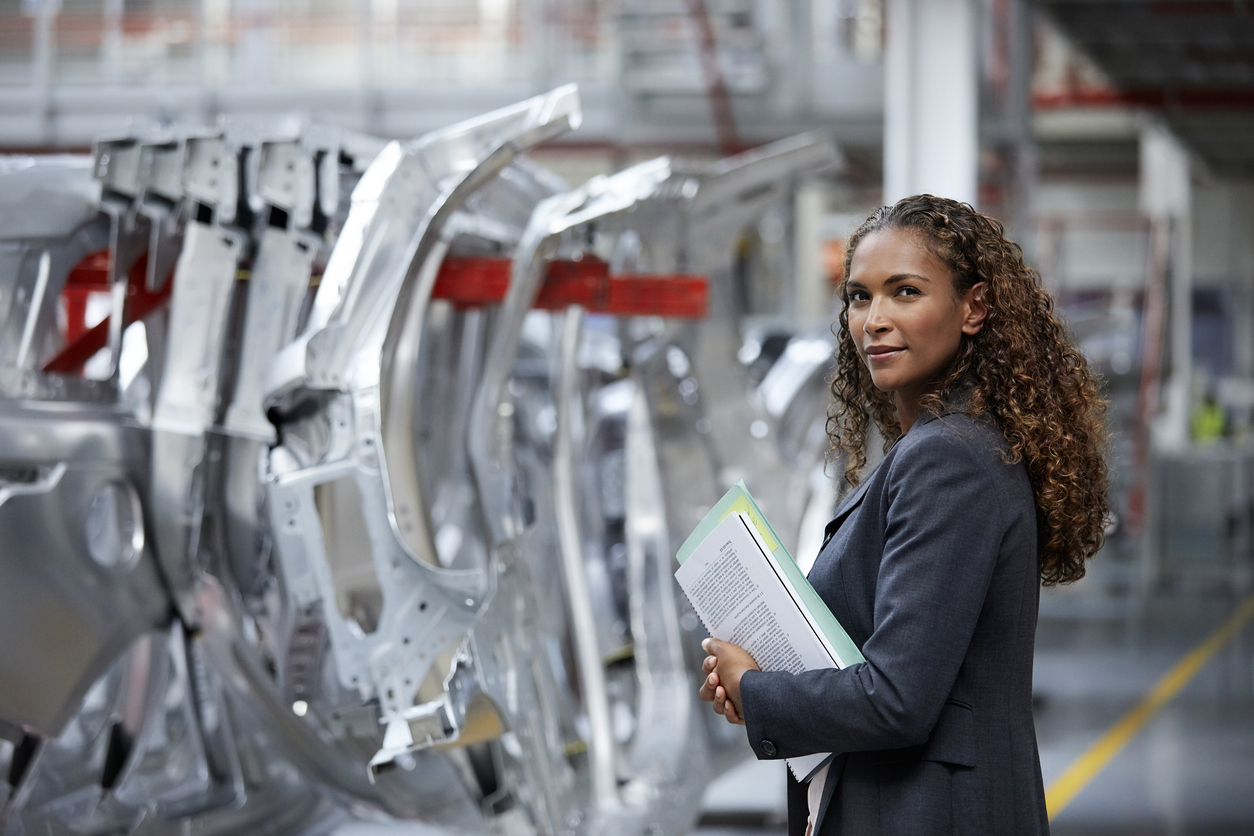
Production managers ensure that the right resources are in the right place to get the job done. The title of production manager can mean slightly different things across various industries, but generally, production managers are responsible for keeping things running smoothly. In business and manufacturing, these professionals are called industrial production managers. Becoming one is a rewarding way to make an impact on a large scale, as these professionals manage the operations of factories and plants that produce the goods we use.
Industrial production managers can earn a bachelor’s degree in a field such as manufacturing or business administration and pair it with in-the-field experience to develop the skills to tackle these responsibilities with confidence.
What Does an Industrial Production Manager Do?
Keeping production on track involves much more than meeting daily output goals. It requires careful planning, coordination, and oversight to ensure that manufacturing operations run efficiently and consistently.
An industrial production manager is responsible for breaking down large production goals into manageable tasks. They oversee schedules, monitor workflows, and adjust processes to prevent delays or quality issues before they occur.
Production managers work across a wide range of industries. The products they oversee can include household appliances, automobiles, clothing, furniture, and other consumer or industrial goods. Regardless of the product, the core responsibility remains the same: ensuring that operations run smoothly and that quality standards are met on time and within budget.
Industrial Production Manager Responsibilities
Industrial production managers work with other management professionals to understand a company’s manufacturing needs, vendors who supply the necessary resources, and the production team that carries out the plan. Industrial production managers commonly do the following:
- Oversee equipment and technology. Establish relationships with equipment vendors, understand what each machine does, and can technically handle them.
- Plan production schedules. Identify manufacturing goals, acquire resources, and align team members to provide what needs to happen when.
- Improve efficiency over time. Analyze production to determine ways to do things faster and more easily.
- Ensure quality standards. Know standards set by management, take steps to produce high quality goods, and run a quality assurance process.
- Comply with regulations: Ensure that the factory or plant is in compliance with state, federal, and/or industry regulations to protect the company, workers, and consumers.
Work Environments for Industrial Production Managers
Regardless of the goods being produced, an industrial production manager’s basic responsibilities usually look similar. However, the industries and environments these professionals tend to work in vary widely, ranging from traditional factories to high-tech plants to laboratories. Industries with consistent manufacturing needs include the following:
- Transportation: Manufacturing the parts of cars, trains, buses, airplanes, and more
- Retail: Manufacturing clothing, fabrics, jewelry, furniture, and more
- Technology: Manufacturing electronics and their parts, such as microchips
- Chemical: Manufacturing chemicals that go into other products, such as solvents for paint or pesticides for agricultural use
- Food: Manufacturing packaging for ingredients used in cooking and food preparation as well as prepackaged snacks and meals
- Pharmaceutical: Manufacturing medicine in different forms, such as capsules or liquids
- Environmental: Focusing on a manufacturing process that uses eco-friendly, sustainable materials
Career Pathways in Production Management
Production management careers often begin with hands-on experience in manufacturing or operations. Many professionals start on the production floor or in technical positions, gaining a deep understanding of processes, equipment, and quality standards.
As their experience grows, individuals may move into supervisory or team lead roles. These positions involve overseeing staff, managing schedules, and ensuring that production targets are met while maintaining safety and efficiency.
With additional experience and education, professionals can advance into roles such as:
-
Production supervisor
-
Operations manager
-
Plant manager
-
Industrial production manager
At the senior level, production managers may oversee multiple facilities, manage budgets, and contribute to long-term strategic planning. This career path offers clear advancement opportunities for individuals who enjoy leadership, problem-solving, and optimizing complex systems.
Skills and Tools in Production Management
Successful production managers rely on a blend of technical skills, analytical thinking, and leadership ability to keep operations running efficiently. Strong organizational and problem-solving skills are essential, as production managers must coordinate people, processes, and timelines while responding quickly to unexpected challenges.
Technology plays a central role in modern production environments. A manufacturing execution system (MES) is used to monitor real-time production data, track performance, and ensure that quality standards are met on the factory floor. Enterprise resource planning (ERP) systems help managers plan resources, manage inventory, schedule production, and align operations with broader business goals.
Industrial Production Manager Salary and Job Outlook
The median annual industrial production manager salary was $121,440 as of May 2024, according to the U.S. Bureau of Labor Statistics (BLS). The BLS projects that positions will grow at a rate of 2% between 2024 and 2034, about as fast as the average for all occupations. Many job openings for this type of role are expected to come from retirees in the coming years.
How to Become a Industrial Production Manager
While there’s no single path to becoming an industrial production manager, nearly all companies filling these positions require a bachelor’s degree. The following steps can help lead to a career in production management:
- Pursue education. Earn a bachelor’s degree in a field such as business administration or manufacturing to develop business knowledge and skills such as project management, business ethics, and leadership.
- Get in-the-field experience. Work in a factory on the production team or in a related role for a couple of years, learning from the production manager and seeing how a factory functions.
- Complete technical certifications. Though not always required, further development can strengthen a potential production manager’s professional profile when seeking roles. Industrial production managers often pursue certifications in areas including organizational excellence, quality improvement, and various Six Sigma management techniques.
Launch a Career as an Industrial Production Manager With an Online Business Administration Degree
Industrial production managers carry out an essential function for both businesses and consumers, ensuring that the goods we use every day are produced consistently and with high standards.
If you’re ready to apply your natural organizational and people skills to a rewarding career, consider an education that can prepare you to succeed. NCCU Online’s Bachelor of Business Administration (BBA) degree completion program focuses on the fundamentals of business strategy and skill development in communication and management, so graduates are ready to launch a business career with the potential to earn a strong industrial production manager salary.
Find out how NCCU Online’s BBA can open up a world of possible careers.
Recommended Readings
Supply Chain Manager Salary and Job Description
How the Top Tech Companies in North Carolina Are Driving Industry Growth
Sources
IBM, “What Is a Manufacturing Execution System (MES)?
IBM, What Is Enterprise Resource Planning (ERP)?
Indeed, How to Become an Industrial Production Manager
Indeed, Learn About Being a Production Manager
U.S. Bureau of Labor Statistics, Industrial Production Managers