Nursing, Research, and Community Impact in Action: A Conversation With Karen Lynn Webb, PhD, RN
Written by:
North Carolina Central University
Published on
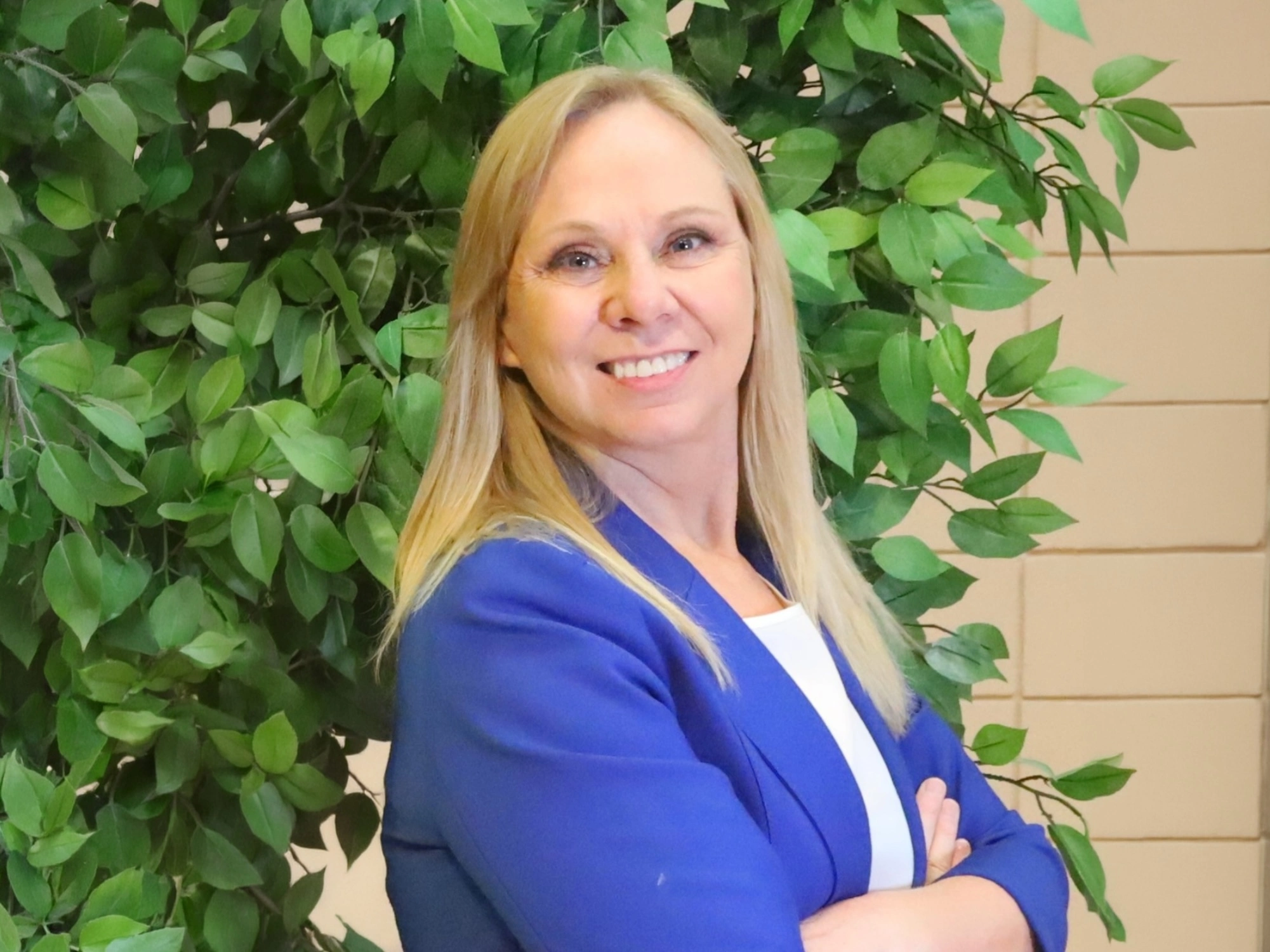
Karen Lynn Webb, PhD, RN, is what modern nursing leadership can look like: clinically grounded, community focused, research driven, and open to innovation. Her career reflects the breadth of nursing’s influence, from bedside care and patient education to population health, digital behavior-change interventions, and emerging conversations around artificial intelligence (AI) in nursing education.
A Nurse Leader Shaped by Listening
Dr. Webb brings a deeply human perspective to nursing leadership. Her path caring for older adults began with early experiences, which helped shape both her compassion and her understanding of what strong nursing practice requires: “I grew up surrounded by elderly people and felt very comfortable caring for them. From a young age, I was drawn to listening to their stories and helping them with their needs.”
She also noted that “listening is foundational to the profession of nursing because it allows us to assess beyond vital signs.”
Her background in cardiac and critical care strengthened that foundation. Dr. Webb noted that she’s “always enjoyed high-acuity environments” and especially likes explaining complex concepts. Encouragement from colleagues, patients, and a manager who recognized her talent for education helped point her toward academic nursing and a broader sphere of impact.
Reducing Health Disparities Through Community-Based Partnerships
Dr. Webb’s move into academia and research grew from a desire to understand more than individual patient outcomes. “The more I learned, the more I wanted to learn,” she explained. That curiosity led her to ask why certain communities face worse outcomes and how broader systems shape health.
A summer course in community-based participatory research marked a turning point. “A light bulb turned on for me,” Dr. Webb recalled, as she began to see health as something influenced by not only access, behavior, culture, and structural conditions but also clinical care. She added, “I saw my profession as a vehicle for community partnerships.”
Dr. Webb’s commitment to reducing health disparities was shaped by work in Tuba City, Arizona — on the Navajo Nation — and in West Virginia, among other places. These experiences exposed her to major differences in access to care, healthy food, and safe opportunities for physical activity. Her approach to intervention design begins with listening to communities first. As she puts it, it starts with this question: “What does this community need, what do they value, and what is their lived experience?”
One of the clearest examples of that philosophy came from her work in West Virginia. After learning that safe and affordable exercise spaces were a major barrier, Dr. Webb and community partners helped repurpose an unused municipal metal building into a community exercise center. With additional equipment donated by partners in Chapel Hill, the project created sustainable, year-round access to physical activity. This showed how local partnerships can improve population health in a lasting way.
Supporting Student Wellness Through Digital Innovation
As co-principal investigator on the BeFAB-HBCU project — a mobile health intervention promoting healthy weight loss and physical activity at historically Black colleges and universities, funded by the National Institutes of Health (NIH) — Dr. Webb has helped address chronic disease risk among college students through digital health education and behavior-change support. She explains that her team was concerned: “We were seeing young adults already on a path toward hypertension, diabetes, and obesity, often without realizing it.” The goal was to build a digital tool that would help students understand their health, build practical skills, and create sustainable habits around physical activity and nutrition.
What Digital Engagement Really Looks Like
BeFAB uses weekly videos, newsletters, visuals, short text messages, and other multimedia content to improve health literacy and meet students where they are. Through the project, Dr. Webb and her team learned that students respond more consistently to concise, visual, and practical materials than to text-heavy content.
Her conclusion is simple and valuable for educators across settings: “Overall, digital interventions must be simple and realistic.”
AI Innovation With Accountability: Preparing Nurses for a Changing Profession
Dr. Webb is also helping shape how AI is introduced into nursing education. Her perspective is measured and thoughtful rather than reactive. She says, “I believe balancing innovation with ethical considerations in AI use must be intentional.” She describes her efforts as “thoughtful baby steps,” focused on helping students use AI responsibly while still developing their own judgment, reflection, and critical thinking.
That approach matters because nursing students are entering a profession shaped by rapid technological change. Dr. Webb’s leadership suggests that the best path forward is not avoiding new tools, but teaching future nurses how to use them with accountability, clinical judgment, and ethical care at the center.
Advice for the Next Generation of Nurse Researchers
For students considering research-focused nursing careers, Dr. Webb’s message is encouraging and direct. She says, “Come and join us.”
Especially for students who keep asking why and want to improve how patients and communities are cared for, Dr. Webb encourages early involvement, faculty mentorship, and a broader view of nursing research as meaningful, practical work that changes lives.
A Wider Vision of Nursing Impact
Dr. Webb’s career shows how nursing can extend far beyond any one role or setting. Her work brings together bedside insight, community partnership, student wellness, digital innovation, and responsible educational leadership. At the center of it all is a commitment to listening, learning, and building solutions that serve real people in real communities.
The online Registered Nurse to Bachelor of Science in Nursing (RN to BSN) program from NCCU Online is built for working nurses who want to expand their leadership, research, and community health skills. The program is accredited by the Accreditation Commission for Education in Nursing (ACEN), is 100% online, is offered in asynchronous eight-week terms, and can be completed in as little as one year. It emphasizes critical thinking, leadership, communication, research, and community health.
Explore the program and take the next step in your nursing career with the online RN to BSN program from NCCU Online.
Recommended Readings
Dr. Yolanda VanRiel: A Nurse Educator’s Journey of Purpose, Practice, and Pride
Nursing Career Path Steps: How to Advance From ADN to MSN (and Beyond)
NCCU Alumni Stories: Sherika Lenoir & Ashley Adkins on Going Back to School for Nursing
Sources:
American Nurses Association, The Ethical Use of Artificial Intelligence in Nursing Practice